Last night, around 7pm, male African Lion Jelani was, as usual, letting any other big cats know that South Perth (or known as Gareenup prior to European settlement) is his patch.
This morning, around 5.15am, critically endangered male Northern White-cheeked Gibbon Kayak was calling his beautiful song across the suburb, and his female partner Jermei was dueting with him.
Yet, this conversation often overlooks the essential role zoos play in providing care for rescued and injured animals that cannot be released back into the wild and the profound transformation zoos have undergone in recent times.
Today’s leading zoos are not mere attractions, we are conservation powerhouses, research hubs and education centres.
And in Western Australia, Perth Zoo stands as a critical player in safeguarding biodiversity, both locally and globally.
Western Australia is home to some of the world’s most unique and threatened species.
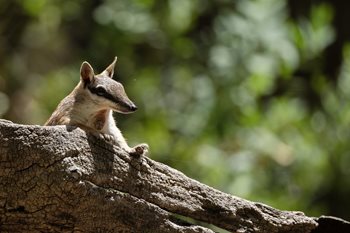
From our State's fauna emblem the Numbat to the Western Swamp Tortoise, these animals face existential threats from habitat loss, climate change and invasive species.
Zoos like Perth Zoo are not passive observers to this, we’re actively fighting against extinction.
Through dedicated breeding and release programs, the Zoo has successfully reintroduced hundreds of numbats into the wild, helping restore populations that were once on the brink of extinction.
Similar initiatives for species such as the Dibbler and Western Swamp Tortoise have resulted in close to 6,000 animals bred for release at the Zoo, delivering significant conservation gains.
Most recently, Perth Zoo achieved a historic breakthrough:
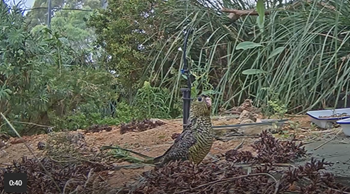
the first successful hatching of a critically endangered Western Ground Parrot chick after a decade of effort.
With fewer than 150 of these birds remaining in two isolated coastal patches in the Great Southern region, this milestone represents a critical step toward saving the species.
These efforts are not achievable through documentaries or virtual experiences.
They require hands-on expertise, controlled environments and long-term commitment. Without zoos, many of these species would vanish.
And when they disappear, so too does a piece of Western Australia’s identity and ecological resilience.
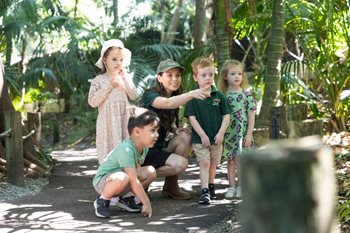
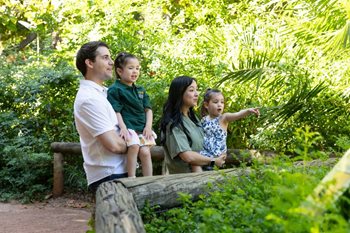
However, zoos are more than conservation centres, we are also gateways to understanding. For thousands of Western Australian families, Perth Zoo is where children first encounter the wonders of wildlife.
These experiences ignite curiosity, foster empathy and inspire future scientists, conservationists and informed citizens.
In a world increasingly disconnected from nature, zoos provide a tangible link. They remind us that biodiversity is not an abstract concept, it is alive, breathing and worth protecting.
This educational role cannot be overstated, particularly as we grapple with global environmental challenges.
While conservation is our core focus at Perth Zoo, it is also important to note that the Zoo is a major tourism drawcard, last year attracting over 120,000 visitors to WA among more than 930,000 visitors.
Investment in the Zoo is not a cost; it is an economic multiplier when tourists extend their stay in the State.
Moreover, zoos deliver social value.
They are inclusive spaces where families, schools and community groups come together. They provide affordable, accessible experiences that enrich lives and strengthen community bonds.
Zoos also offer rare and often overlooked opportunities to improve human wellbeing.
They are places where people connect not only with each other, but with nature itself - walking, exploring and spending time largely away from screens and devices, in environments that are generally calm and low‑stress.
As green prescribing becomes more firmly embedded in public policy, zoos should be increasingly recognised as important urban green spaces: places that provide access to nature, diverse landscapes and wildlife, and that can play a meaningful role in supporting both mental and physical health.
Modern zoos are not static. They are evolving to meet the highest standards of animal welfare and sustainability.
Perth Zoo’s Master Plan 2040 envisions transforming more habitats, cutting-edge breeding facilities and expanded education programs.
These initiatives align with the State Government’s commitment to environmental leadership and innovation.
So, when the inevitable debate is raised again, the question should not be whether zoos should exist,
but what kind of zoos we want.
Do we want institutions that merely display animals, or do we want centres of excellence that drive conservation, education and community engagement?
With almost a million visitors last year, Perth Zoo is already on the latter path. With continued support, it can lead the way nationally and globally.
David van Ooran
Perth Zoo Executive Director