Hollow logs are essential for Numbats. It’s where they find refuge from predators during the day, and where they rest at night.
So, when the naturally hollowed logs became available, the Perth Zoo Science team jumped at the chance to refresh Mack’s space to ensure his habitat closely mimics what he’d have in the wild.
After a short stint behind the scenes, while the logs were carefully installed, it was time for the big reveal.
And it was love at first log for this bushy tailed boy!
Initially cautious, Mack took a few tentative sniffs before confidently exploring the new additions.
Perth Zoo Science Keeper Vicki Power said the new logs would be very enriching for this little marsupial.
“These logs bring a lot of new smells and textures for him to explore.
“It’s important the Numbat habitat reflects the conditions he would experience in the wild.
With more places to climb, perch and rest, he now has even more choice in how he spends his day. He’s a very curious energetic little Numbat, so he has absolutely been loving the new digs.”
In the wild, numbats use multiple hollow logs within a small area, moving between them regularly.
Tree logs and hollows are incredibly important for shelter from the weather, protection from predators, and safe nesting spaces during breeding season.
That’s why our keepers focus on enrichment that bring new tastes and textures to emulate wild habitats and encourage natural behaviours.
Numbats are considered endangered in the wild. They were once found across southern Australia, but due to habitat loss and introduced predators, they are only found in a small pockets of their former range.
Since 1993, more than 320 Perth Zoo-born Numbats have been released into the wild, helping to grow populations from an estimated 300 to now more than 2000!
Working closely with our colleagues in the Department of Biodiversity, Conservation and Attractions, we help ensure these animals are reintroduced into protected habitats like Dryandra Woodland National Park where they can thrive.
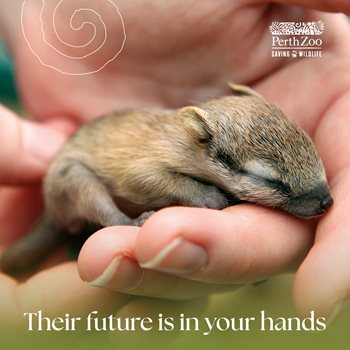
If you love Numbats, now's the time to help us make a real difference!
A donation to Perth Zoo means our experts can do even more of this incredible species-saving work.
With over 6,000 Zoo-bred animals already returned to the wild and decades of conservation success, your support today could help create thousands more in the wild tomorrow.
Find out more!