Thanks to the habitat’s innovative design, visitors will be able to see two species of critically endangered gibbons swinging through the skies as they enter the Zoo.
Javan Gibbons Sunda and Asta have moved into the Gibbon Crossing, living next door to their Northern White-cheeked Gibbon neighbours.
The mother-and-son duo didn’t have far to travel, with Perth Zoo’s expert keepers ensuring a stress-free move from the top of the Zoo down to their new home.
Lucky visitors were treated to an ape-solutely memorable moment watching the pair venture out along the sky-high rope pathways for the first time.
Asta wasted no time making himself at home, confidently brachiating straight out onto the ropes as soon as the opportunity arose.
Sunda, however, showed a more cautious approach, carefully assessing the new environment and retreating back into the night quarters before finally joining Asta.
As territorial species, nearby resident pair, Jermei and Kayak, were quick to notice the excitement, noisily moving through their habitat for a better look at their new neighbours.
The move marks a reunion for familiar neighbours, with the Javan and Northern White‑cheeked Gibbons once living side by side before construction of the Gibbon Crossing completed in July last year.
The transition follows the passing of Omar, the world’s oldest living Javan Gibbon in the world.
Believed to be over 50 years old, Omar’s remarkable longevity is a testament to the exceptional care and welfare provided at Perth Zoo.
His legacy lives on, not only through his seven-surviving offspring across the globe, including Asta, but also through the Zoo’s ongoing work to improve welfare and support conservation efforts for gibbons worldwide.
Sadly, Javan Gibbons are considered endangered and Northern-White Cheeked Gibbons are critically endangered.
Sometimes referred to as 'the forgotten ape' these primates are facing increasing threats in the wild due to habitat destruction and the illegal wildlife pet trade.
Gibbon-lovers can help make a change simply by being a
responsible social media user, and avoiding or reporting content that showcase wild animals being kept as pets.
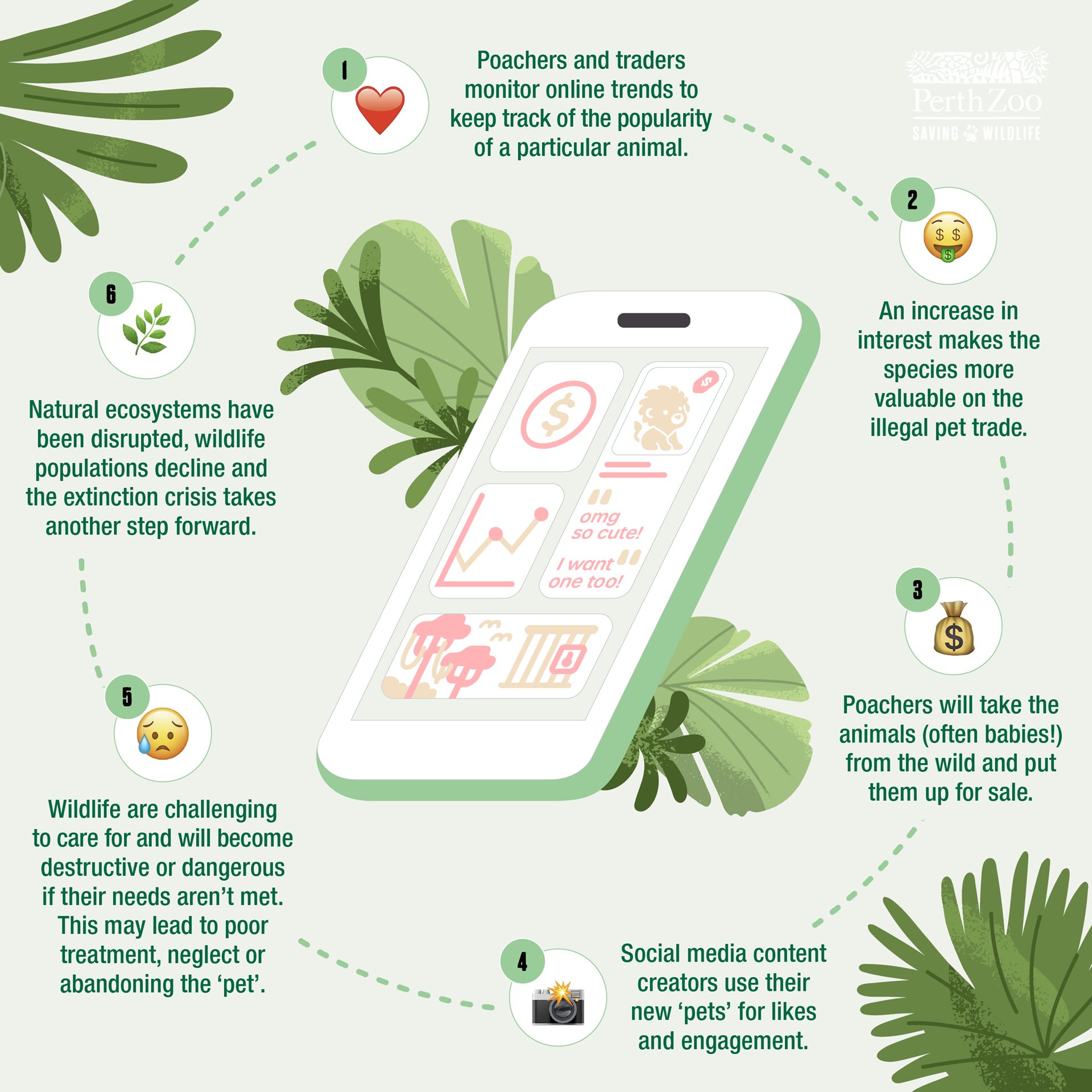
High online engagement can fuel the illegal wildlife trade and puts increasing pressure on declining populations.
Developed as part of Perth Zoo’s Master Plan, the Gibbon Crossing habitat provides a unique opportunity for visitors to connect with these rare apes and become inspired to help them in the wild.
Since its launch in July last year, the habitat has enabled more ‘wow’ moments for visitors and increased educational opportunities.
Perth Zoo is proud to support gibbons beyond our gates through a conservation partnership with
Fauna and Flora Vietnam. This partnership enables Fauna and Flora to carry out conservation work that supports local communities and protects the largest wild populations of White-cheeked Gibbons from poaching and the illegal wildlife trade.
Visitors can see the gibbons in action and learn more at Perth Zoo’s daily free Keeper Talks at Gibbon Crossing.
For more information visit
perthzoo.wa.gov.au/gibbon-crossing